QUESTION IMAGE
Question
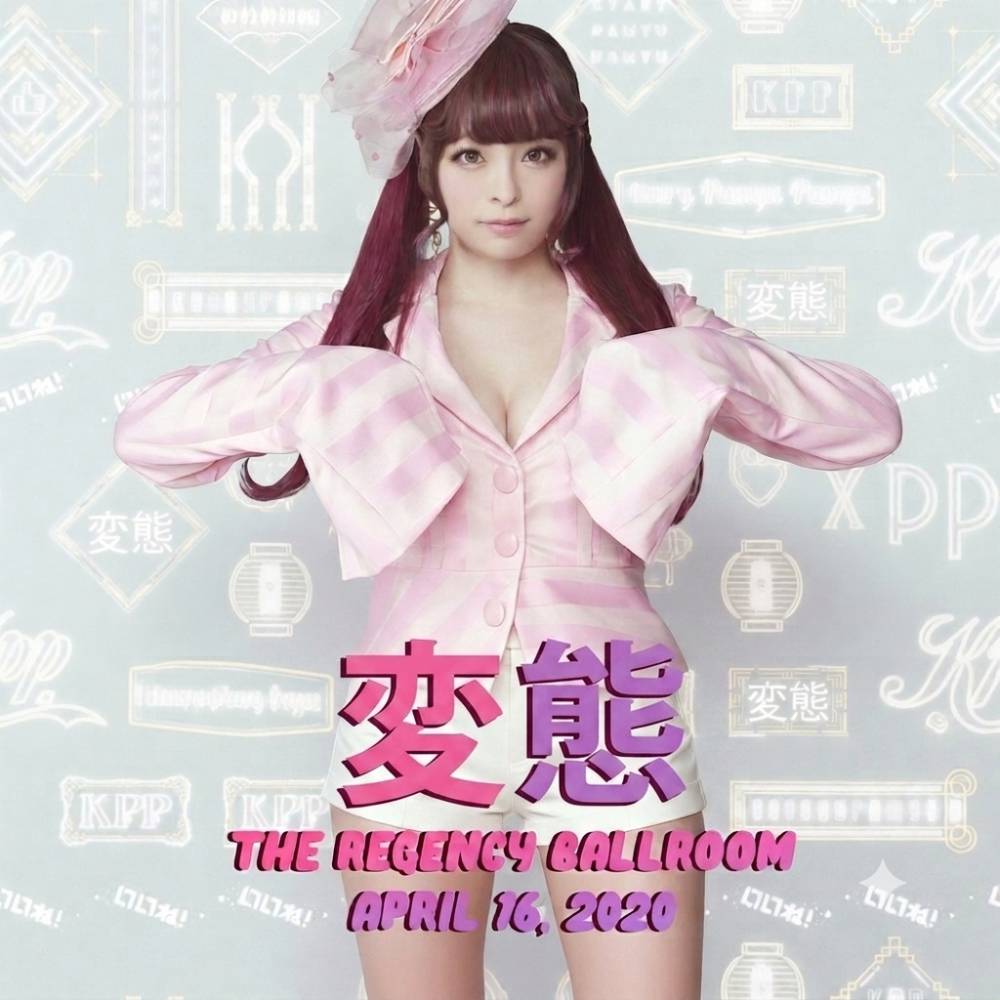
变态
the regency ballroom
april 16, 2020
🆕 New Concept Discovered: Kanji Semantic Analysis
Understanding how Japanese characters carry multiple meanings depending on context.
Step 1: Identify the Kanji Characters
The large pink text in the center of the image consists of two Japanese Kanji characters:
- 変 (read as hen or ka-waru)
- 態 (read as tai)
Together, they form the compound word 変態 (read as hentai).
Step 2: Analyze the Literal and Etymological Meaning
In Japanese, Kanji characters carry individual meanings that combine to form a compound:
- 変 (hen): means "change", "alteration", "transformation", or "strange/unusual".
- 態 (tai): means "state", "condition", "appearance", or "attitude".
When combined literally, 変態 (hentai) translates to "transformation", "metamorphosis" (such as a caterpillar turning into a butterfly), or "abnormal state".
Step 3: Analyze the Modern Colloquial Meaning
In modern Japanese and global pop culture, the word 変態 (hentai) has evolved:
- It is commonly used as a colloquial noun or adjective meaning "pervert" or "perverted".
- Globally, it refers to a specific genre of Japanese anime and manga containing explicit adult content.
Step 4: Contextualize with the Artist
The artist pictured is the famous Japanese pop singer and model Kyary Pamyu Pamyu (known for her surreal, cute-yet-weird "kawaii-guro" aesthetic). In her creative context, using a provocative word like 変態 plays on the dual meaning of artistic "transformation/eccentricity" and the cheeky, shocking colloquial meaning of being "weird" or "perverted."

Snap & solve any problem in the app
Get step-by-step solutions on Sovi AI
Photo-based solutions with guided steps
Explore more problems and detailed explanations
The Japanese characters 変態 are read as "hentai".
Depending on the context, the word has two primary meanings:
- Scientific/Literal: Metamorphosis, transformation, or abnormality.
- Colloquial/Modern: Pervert, perverted, or eccentric (often used in pop culture to describe adult anime/manga or highly unconventional behavior).