QUESTION IMAGE
Question
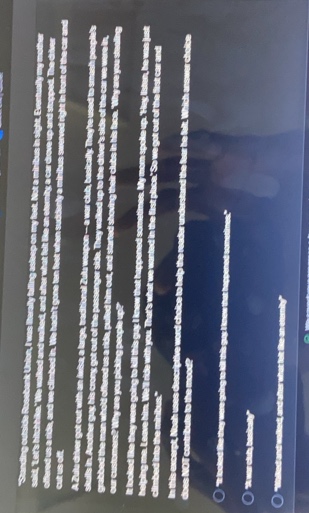
\standing outside rosebank union, i was literally falling asleep on my feet. not a minibus in sight. eventually my mother said, lets hitchhike. we walked and walked, and after what felt like an eternity, a car drove up and stopped. the driver offered us a ride, and we climbed in. we hadnt gone ten feet when suddenly a minibus swerved right in front of the car and cut us off.
a zulu driver got out with an iwisa, a large, traditional zulu weapon - a war club, basically. theyre used to smash peoples skulls in. another guy, his crony, got out of the passenger side. they walked up to the drivers side of the car we were in, grabbed the man whod offered us a ride, pulled him out, and started shoving their clubs in his face. why are you stealing our customers? why are you picking people up?
it looked like they were going to kill this guy. i knew that happened sometimes. my mom spoke up. hey, listen, he was just helping me. leave him. well ride with you. thats what we wanted in the first place. so we got out of the first car and climbed into the minibus.\
in this excerpt, noah uses descriptive word choice to help the reader understand the fear he felt. which answer choice does not contribute to the mood?
- \it looked like they were going to kill this guy. i knew that happened sometimes.\
- \a war club, basically\
- \walked and walked, and after what felt like an eternity\
🆕 New Concept Discovered: Analyzing Word Choice and Mood
How specific words create emotional atmospheres
Step 1: Understand the Goal
The question asks us to identify which of the three provided answer choices does NOT contribute to the mood of the excerpt.
- Mood is the overall feeling, atmosphere, or emotional state that a text creates for the reader (e.g., suspense, fear, tension, or calm).
- To find the phrase that does not contribute to this mood, we need to first identify the dominant mood of the passage and then evaluate which phrase is neutral or factual rather than emotionally charged.
Step 2: Analyze the Mood of the Passage
Let's look at the events and descriptions in the text:
- The narrator and his mother are stranded, walking in the dark ("what felt like an eternity").
- A car stops to help them, but they are suddenly cut off by a minibus.
- A driver gets out with an iwisa (described as "a large, traditional Zulu weapon - a war club, basically" used to "smash people's skulls").
- Men surround the car, pull the driver out, and threaten him with weapons.
- The narrator notes, "It looked like they were going to kill this guy."
The dominant mood of this passage is tense, terrifying, and suspenseful.
Step 3: Evaluate the Answer Choices
Let's analyze how each option affects this tense and fearful mood:
- "It looked like they were going to kill this guy; I knew that happened sometimes."
- Analysis: This direct mention of potential murder and the casual reality of such violence highly intensifies the sense of danger, fear, and life-or-death stakes. It directly contributes to the tense and terrifying mood.
- "a war club, basically"
- Analysis: This phrase defines a weapon (iwisa) in terms that make its violent purpose clear and immediate to the reader. Describing a weapon as a tool meant for war and smashing skulls directly builds a threatening, violent, and suspenseful mood.
- "Walked and walked, and after what felt like an eternity"
- Analysis: While "what felt like an eternity" shows exhaustion and impatience, this opening line describes the tedious wait before the actual danger begins. Compared to the life-threatening encounter with armed men, this phrase describes a state of physical tiredness and waiting, rather than the active terror, violence, and suspense that defines the core mood of the scene. Therefore, it does not contribute to the primary mood of immediate danger and terror.

Snap & solve any problem in the app
Get step-by-step solutions on Sovi AI
Photo-based solutions with guided steps
Explore more problems and detailed explanations
"Walked and walked, and after what felt like an eternity"